Plots in Teruel - buy, sell or rent easily

Find plots by category in Teruel (Province)


Plots for sale with most wanted features


Latest publications of land and houses for sale in Teruel (Province)
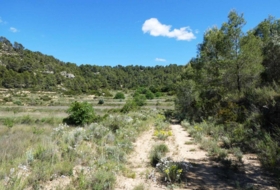
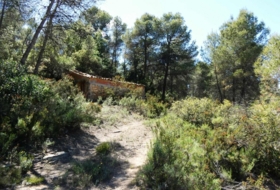
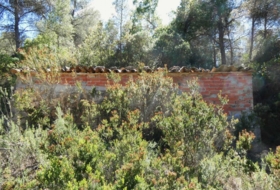
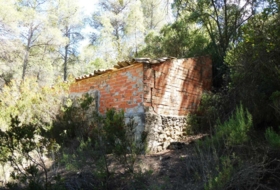
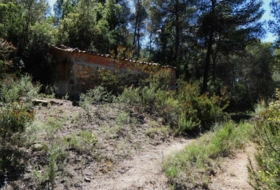
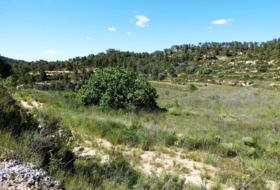
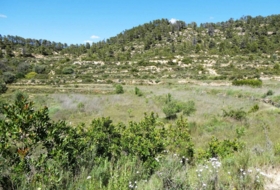
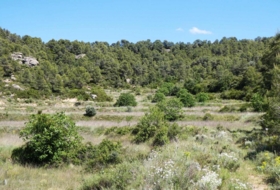
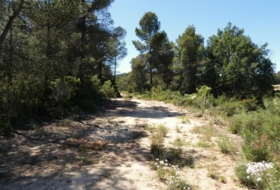
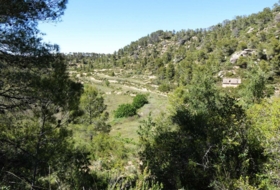
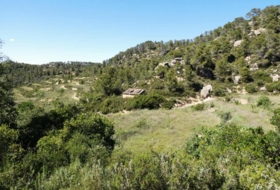
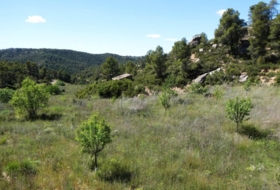
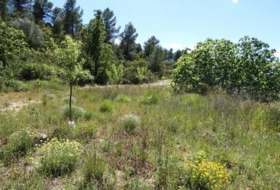
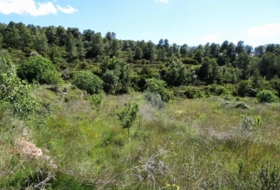
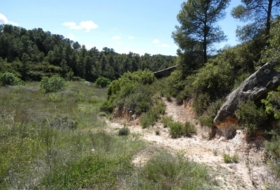
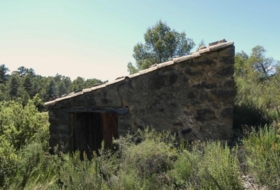

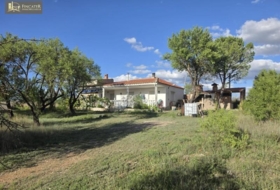
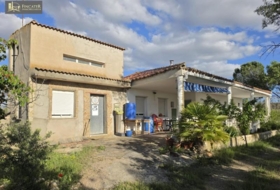
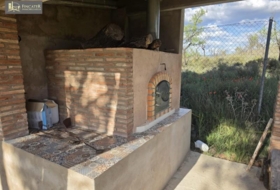
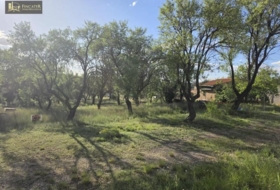
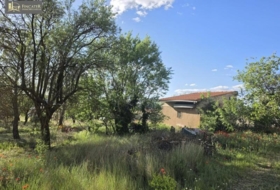
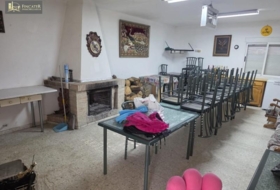
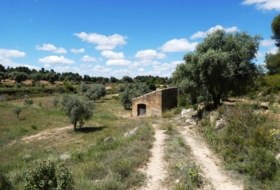
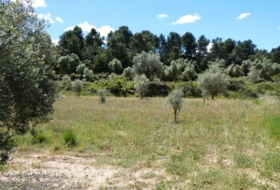
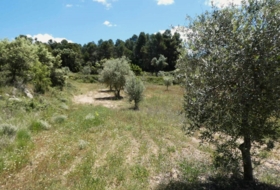
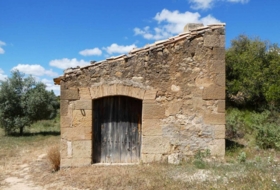
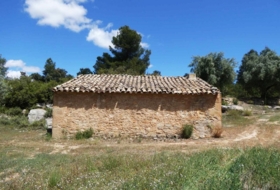
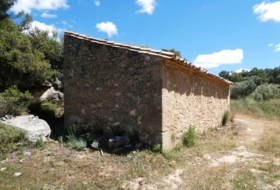
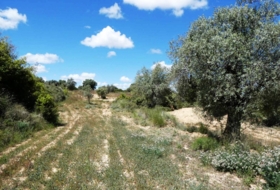
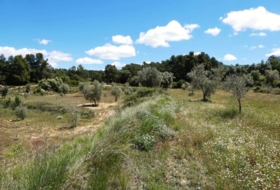
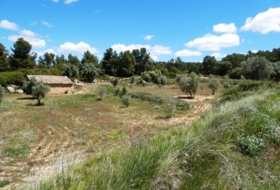
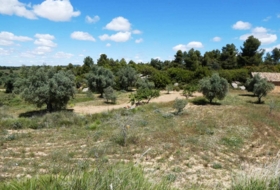
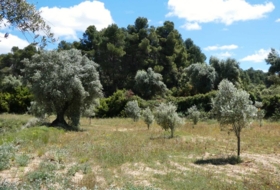
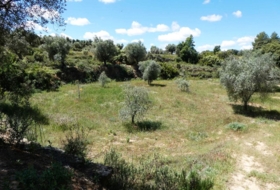
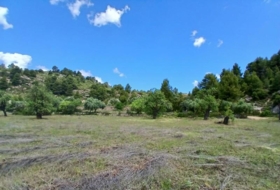
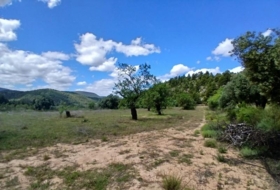
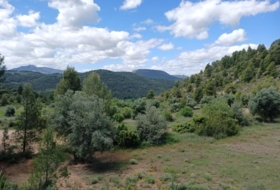
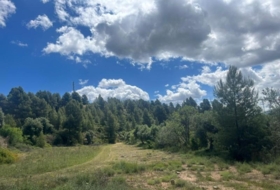
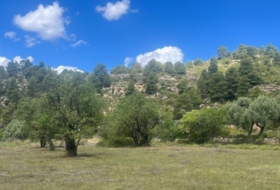
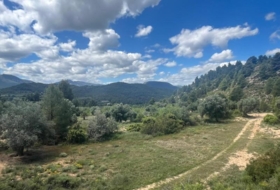
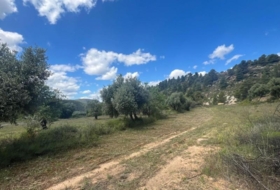
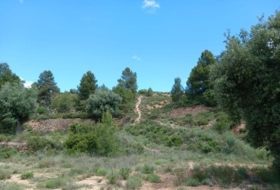
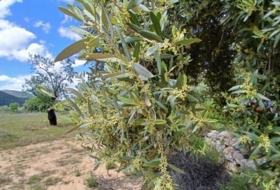
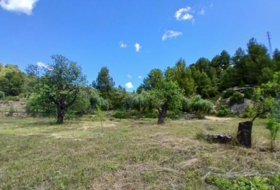


 +2
+2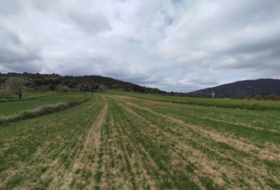
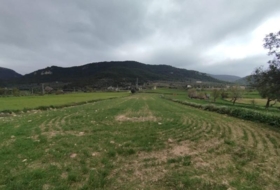
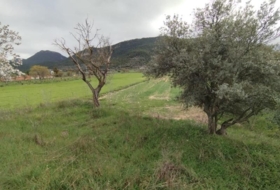
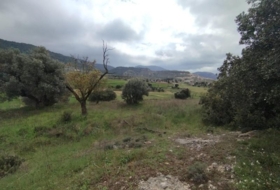
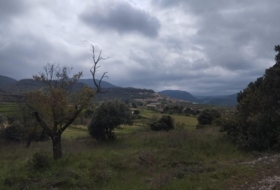

 +3
+3

 +14
+14
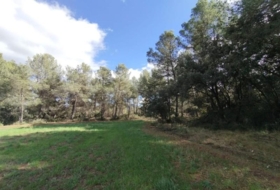
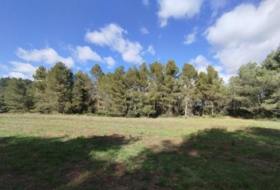
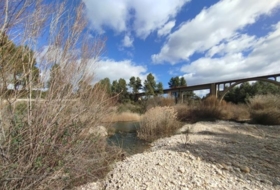
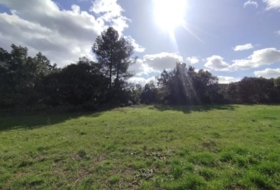
 +1
+1Where to buy land in Teruel
The average price of urban land in Teruel is one of the lowest in Spain, at just over €60/m², being the lowest in Aragon. In addition, in recent years it has experienced a decline, especially in smaller towns, which curiously have recorded a greater number of transactions.
The towns with the cheapest land for sale in Teruel are the city of Teruel and Monroyo, with a minimum value of €0.20/m²; Peñarroya de Tastavins, with a value of €0.30/m²; and Beceite and Torre del Compte with €0.90/m². Developable land has a similar price to the urban area since it is grouped in the same places. For its part, rural land for sale has seen an increase in its average price, due to the perception of land as a refuge value for investors, as well as the entry into the market of new players: investment funds. It should be noted that the highest value plots in the province of Teruel are in Monterde de Albarracín, Forniche Alto and Teruel.
Teruel exists
The province of Teruel is in the south of Aragon. It has one of the lowest population densities in the country with 134,176 inhabitants and is the smallest of the Aragonese territories with 14,809 km². A quarter of the inhabitants live in the capital, which implies considerable depopulation in the rest of the municipalities, many of which do not exceed 100 citizens.
Teruel's economy is based on agriculture, services (specifical tourism), construction, energy, and industry (mainly agri-food).
A tall forest area
It’s mainly mountainous relief and altitude (more than 60% of the surface is above 1,000 metres) give rise to different Mediterranean microclimates depending on the area: mountain (with rainfall, temperatures below zero in winter and mild summers) and continental (with higher rainfall in autumn and spring, while it is reduced during the rest of the year).
These characteristics imply that around 25% of the area is wooded forest (especially conifers-pines-). On the other hand, grassland occupies 60% and 30% is farmland, which takes advantage of the river valleys for irrigation.
In some counties, a forestry industry has been created, in which the cultivation of truffles, agricultural farming or the production of wood and furniture stand out.
Rainfed agriculture and certified quality
The agro-livestock sector has a very important weight in the province. Family farming is in decline and the administration is betting on corporate farming, more innovative and technical.
The altitude makes agricultural production difficult and most of the arable land is dedicated to dry land. About 20% goes to the cultivation of cereals, both rainfed and irrigated: wheat, rye, barley, and oats, although the plantations of the last two predominate. Harvests are also carried out organically, with which greater profitability is obtained because they usually have a higher price. Currently, other crop varieties are being tested to study their viability, such as safflower, triticale, or pistachio.
The type of soil and the climate favours the growth of the black truffle in Sarrión, excellent and highly demanded throughout the world. This has given rise to a fever for the rural lands in Teruel (located around the town), much more valued than those of the rest of the province and that is used for the cultivation of this precious delicacy.
Teruel has more than 30 oil mills in its territory and a great density of olive trees with which tons of oil are produced, its character has given rise to the D.O. Oil from Bajo Aragón.
Likewise, the Calanda Peach Denomination of Origin stands out, which is grown in this same area, with a centuries-old tradition that has evolved using bagging to achieve the suitability of the fruits.
A blackleg herd
Teruel's livestock is at the forefront in the region, with around 75% of the total production. The pig represents more than 40% of the final product and 25% of the Autonomous Community. A large part of the farms is in Bajo Aragón and Jiloca. Due to the category of its products, the I.G.P. Pig from Teruel and the D.O. Teruel ham.
Also known as the black-eyed lamb, native to Teruel and adapted to the mountains, which is mainly used to produce meat (ternasco de Aragón).
A renewable industry
The origins of the industry in this region are born with mining (mainly coal) during the last century. Currently, only limited extraction of clay continues.
Thermal and electrical energy has been a clear exponent in these lands until very recently. Today, renewables have taken over with the creation of wind farms and photovoltaic plants in Europe.
The lack of modern infrastructure has been the reason that Teruel has not carried out a powerful and balanced industrial development. Despite this, the province has managed to articulate more than sixty industrial estates, with an industrial area of 15,000,000 m². The most powerful are located around the capital, in Bajo Aragón and the corridor of the Jiloca River. Among its main platforms are the Teruel logistics-industrial park (PLATEA), the Teruel airport area (PLATA), the La Paz industrial estate, the CEEI Aragón business incubator and the Motorland Aragón technology park.
Apart from the agro-industrial industry, activities are also carried out in the field of leather, textiles, ceramic products, and non-metallic mining.
Teruel is the province with the most beautiful villages in Spain
Another sector that generates more benefits for this region is tourism. Thanks to its environmental, gastronomic, and cultural wealth, it attracts tourists who seek to find tranquillity, as well as connect with nature and the rural world. In addition, it has different adventure and snow destinations, such as the Javalambre and Valdelinares resorts, the Dinópolis theme park and Motorland Aragón, in Alcañiz.
In short, this province, despite being one of the most sparsely populated in Spain, offers an alternative to those who opt for more rural and quiet life, in a place that offers interesting investment opportunities, due to its low cost.